Song writing
Critical listening and Music compositions
When writing your composition you would start with the piano chords which a chord is formed from a triad 3 notes. For example, the chords I chose A minor a-c*-e, F major f-a -c, C major c e-g and G major g-b -d. When choosing your chords you would use the method of en harmony as it's when someone uses a note from the previous chord in the next chord. It's important to know what key you're in either major or minor.
Major chord
The major chord consists of three notes in the formation of 3-4-3. For example, in the chord C major the notes are C E and G. Another example is the chord F major consisting of the notes F, A and C. The major chord gets its name from the root note. I learnt you can make a major chord by starting out with a root note and then adding other notes from the chord’s scale. (source for information: http://www.piano-keyboard-guide.com/piano-chords.html) From what I've learnt if I was in rehearsal when someone says we're playing G major I would know because when using G major chord, you would play the root note as G and then add the third and fifth(B and D).
Minor chord
When a minor chord has three notes it's called a minor triad in the formation of 4-3-4. The minor chord of A minor consists of the root note as A with C and E. This chord is the same as a major chord but it just sounds different as if you had 4 minor chords it will sound sad compared to 4 major chords.
Seventh chord
A seventh chord is a chord consisting of a triad with an extra note. A major triad and a minor added with a seventh is referred to as a major/minor seventh chord. The website taught me tertian is the most common chords are tertian, constructed using a sequence of major thirds (spanning 4 semitones) and/or minor thirds (3 semitones). Non-tertian seventh chords can also be constructed using augmented or diminished thirds. These chords are not tertian and can be used in non-tertian harmony. (source for information:https://en.wikipedia.org/wiki/Seventh_chord)
Inversions
Chord inversions are different ways to play the same chord. In each position is called a different inversion depending on what the bass note is. Each inversion has its own sound and can be used to make chord progressions more exciting. "There could be chord inversions which are to rearrange or modify by reversing the direction of the pitch."http://www.choose-piano-lessons.com/chord-inversions.html. This means that the A chord starts with the root note, A." The order of notes is A C# E. There are inversions of this same chord, namely the 1st inversion and 2nd inversion. In the first inversion, the notes are in the order C# E A. In the second inversion the notes are in the order E A C#. The minor first inversion of the chord, the notes are held in the order 3- 5-1. The second inversion of the chord, the notes are held in the order 5 -1-3. All the chords in the root position and the third note is in bass position. The second inversion of a chord is the voicing of a triad, seventh chord, or ninth chord in which a fifth of the chord is the bass note. In this inversion, the bass note and the root of the chord are a fourth.
( sourcemfor image: https://www.piano-keyboard-guide.com/wp-content/uploads/2015/05/minor_chords_piano-834x1024.png)
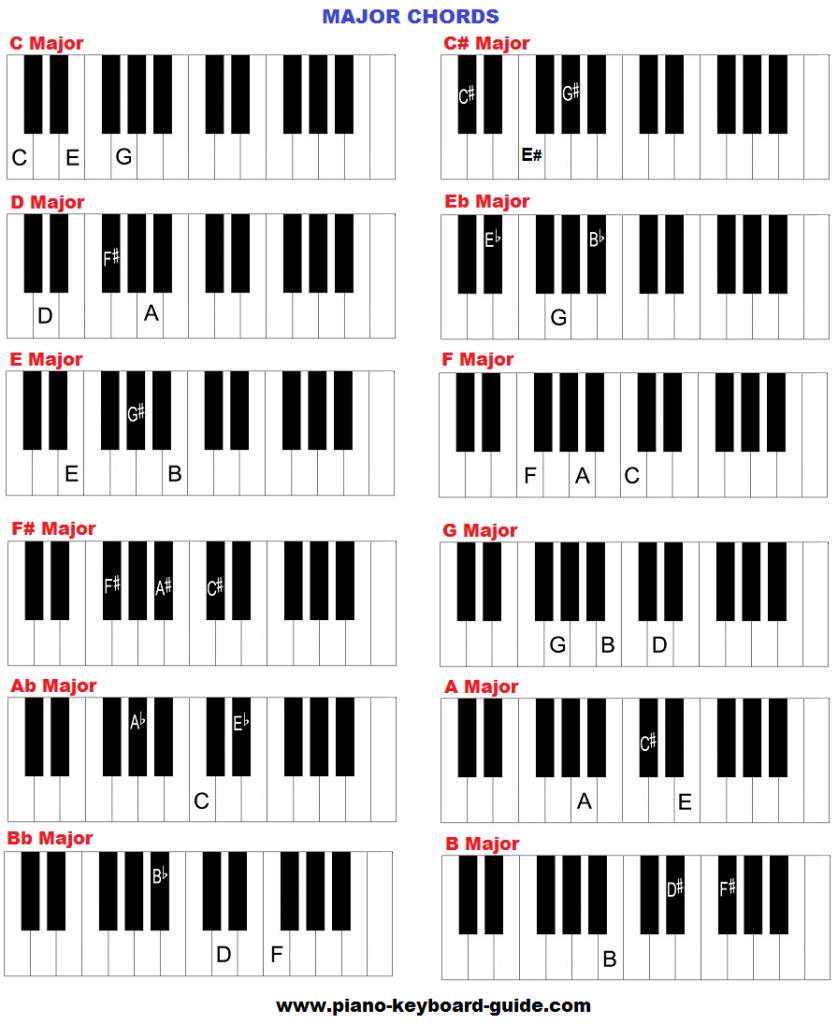

(source for image: http://www.piano-keyboard-guide.com/wp-content/uploads/2015/05/major_chords_piano-838x1024.png)
Andrea Martin
( source for video https://www.youtube.com/watch?v=GHCaZg-De0Q)
https://www.youtube.com/watch?v=GHCaZg-De0Q
What I learnt from Andrea Martin is that you can just go with the flow and you should use vocal leading as it will help you form your lyrics when writing your chord progression. You could try and write using blocks of four so its 8 bars and it's easier for you to be creative. She told us she started by a friend referring her to a company and she wrote 4 tracks in 4 hours. The creative process she uses is when she doesn't have any lyrics to say she makes it up ornate just starts humming and free-styling. She uses words as inspiration and past experiences of her life. She said the best records come from your heart because it's raw and natural. One mistake she has learned that her being a demo sing all the time she is writing the lyrics and her being a producer she's producing the record and you can hear it somewhere else to create a bigger cheque. You need to know your worth when your rating otherwise you won't get a cut from it and they will get more money. It's important to back up your work, know your worth and what percentage you will get from your work.
https://www.youtube.com/watch?v=uuocmqLRgOM
NAO
Nao is an ex-student from the Leyton sixth form college and she was nominated for MOBO and Brit awards in 2017. One of the first songs she wrote she gained wide recognition for is In the morning. The song has effective use of chord progressions because of its simplicity of using two main chords (Fm7 and Cm7) and using the inversions of them helps bring some structure and formate to the song. When I was playing the chords the first chord Fm7 it was just like playing Fm but it had another note added to make it a seventh and it sounded nice and pleasant. The inversion for Fm7 was Fm7/Db which showed that the Db was the base note and it was like all the notes occurred after the Db and it changed the structure of the normal 3-4-3 to 4-3-4 and the notes. The Cm7 is similar to the FM7 as its the same as playing Cm with just an extra note to make it Cm7. When it became Cm7/Eb the Eb became the bass note and the notes to the right of Eb whereas the notes before came after the Cm also on its right occurred after the Db to the right but before it was after Fm. The structure changed from 3-4-3 to 4-3-2. In terms of enharmonic the chords, there is always to major notes and two flat notes making it sound even. The chords are used to harmonise a melody providing accompanying notes that blend with and support the melody and the notes of each chord are formed by combining notes together. The song pattern is well organised and it's very repetitive as she repeats lots of words also the chorus is repetitive. The sections are clear when it comes to the verses and chorus and you can easily understand the message she is trying to convey. there's a lot of vivid imagery within the song helping the listener feel and connection to the song and relate to it.
Song structure
The structure is how the song is laid out with the intro, verse, pre-chorus, chorus and so on. This is a typical structure that musicians use and the structure should be apparent to anyone involved in music. This important to have a good because it will be helpful when it comes to the development of the song. Also when you have clear structure musicians can add lots of solos for it to tie into the specific section.
Intro
The introduction is a unique section that comes at the beginning of the piece and contains just music and no words. I've learnt It usually builds up suspense for the listener so when the downbeat drops in it create a pleasing sense of release. The intro also creates the atmosphere of the song and it has an important element such as the key, tempo, rhythmic feel and even its energy and attitude. In some songs," the intro is one or more bars of the tonic chord. (source for information: https://www.proaudioland.com/news/instruction-to-song-structure/)
Another role of the intro is to give the singer the key for them to sing in almost like it's to remind them of the starting tone.
Verse
This is where you find out what the story is about. There are multiple verses in a song and they usually have different lyrics even though the melody will likely be the same. We get more information about the story with each additional verse. Two or more sections of the song have will have the same chords but different lyrics, each section is considered one verse. It is not to be confused with a pre-verse, which is between the song's introduction and its opening verse".
Pre-Chorus
This is an optional section that may occur after the verse is the pre-chorus. It's often shorter than a verse or chorus. For the listener, it usually creates a feeling of wanting to hear the chorus. It's also known as a "build" or "transitional bridge".The pre-chorus functions to connect the verse to the chorus using subdominant (usually built on the IV chord or ii chords, which in the key of C Major would be an F Major or D minor chord) or similar transitional harmonies a two-phrase verse containing basic chords.
Chorus
The chorus is the climax of the song. It contains the main idea or big picture of what is being expressed lyrically and musically. It is repeated throughout the song and the melody and lyric rarely vary. For example, in the song “Let it Be” by the Beatles, it is the part where the words “let it be” are repeated over and over. The chorus is often the title of the song and is usually very similar each time it occurs. This part of the song is the most remembered part and conveys the main message of the song.
Bridge
The bridge provides relief from the repetitive of songs. It has different lyrics from the verse and chorus, but the music is a little different as well. It usually will start on a different chord from what the verse and chorus start with. This section of a song with a significantly different melody and lyrics, which helps the song develop itself in a natural way by creating a contrast to the previously played, usually placed after the second chorus in a song.
Outro
When writing your composition you would start with the piano chords which a chord is formed from a triad 3 notes. For example, the chords I chose A minor a-c*-e, F major f-a -c, C major c e-g and G major g-b -d. When choosing your chords you would use the method of en harmony as it's when someone uses a note from the previous chord in the next chord. It's important to know what key you're in either major or minor.
Major chord
The major chord consists of three notes in the formation of 3-4-3. For example, in the chord C major the notes are C E and G. Another example is the chord F major consisting of the notes F, A and C. The major chord gets its name from the root note. I learnt you can make a major chord by starting out with a root note and then adding other notes from the chord’s scale. (source for information: http://www.piano-keyboard-guide.com/piano-chords.html) From what I've learnt if I was in rehearsal when someone says we're playing G major I would know because when using G major chord, you would play the root note as G and then add the third and fifth(B and D).
Minor chord
When a minor chord has three notes it's called a minor triad in the formation of 4-3-4. The minor chord of A minor consists of the root note as A with C and E. This chord is the same as a major chord but it just sounds different as if you had 4 minor chords it will sound sad compared to 4 major chords.
Seventh chord
A seventh chord is a chord consisting of a triad with an extra note. A major triad and a minor added with a seventh is referred to as a major/minor seventh chord. The website taught me tertian is the most common chords are tertian, constructed using a sequence of major thirds (spanning 4 semitones) and/or minor thirds (3 semitones). Non-tertian seventh chords can also be constructed using augmented or diminished thirds. These chords are not tertian and can be used in non-tertian harmony. (source for information:https://en.wikipedia.org/wiki/Seventh_chord)
Inversions
Chord inversions are different ways to play the same chord. In each position is called a different inversion depending on what the bass note is. Each inversion has its own sound and can be used to make chord progressions more exciting. "There could be chord inversions which are to rearrange or modify by reversing the direction of the pitch."http://www.choose-piano-lessons.com/chord-inversions.html. This means that the A chord starts with the root note, A." The order of notes is A C# E. There are inversions of this same chord, namely the 1st inversion and 2nd inversion. In the first inversion, the notes are in the order C# E A. In the second inversion the notes are in the order E A C#. The minor first inversion of the chord, the notes are held in the order 3- 5-1. The second inversion of the chord, the notes are held in the order 5 -1-3. All the chords in the root position and the third note is in bass position. The second inversion of a chord is the voicing of a triad, seventh chord, or ninth chord in which a fifth of the chord is the bass note. In this inversion, the bass note and the root of the chord are a fourth.
( sourcemfor image: https://www.piano-keyboard-guide.com/wp-content/uploads/2015/05/minor_chords_piano-834x1024.png)
(source for image: http://www.piano-keyboard-guide.com/wp-content/uploads/2015/05/major_chords_piano-838x1024.png)
Andrea Martin
( source for video https://www.youtube.com/watch?v=GHCaZg-De0Q)
What I learnt from Andrea Martin is that you can just go with the flow and you should use vocal leading as it will help you form your lyrics when writing your chord progression. You could try and write using blocks of four so its 8 bars and it's easier for you to be creative. She told us she started by a friend referring her to a company and she wrote 4 tracks in 4 hours. The creative process she uses is when she doesn't have any lyrics to say she makes it up ornate just starts humming and free-styling. She uses words as inspiration and past experiences of her life. She said the best records come from your heart because it's raw and natural. One mistake she has learned that her being a demo sing all the time she is writing the lyrics and her being a producer she's producing the record and you can hear it somewhere else to create a bigger cheque. You need to know your worth when your rating otherwise you won't get a cut from it and they will get more money. It's important to back up your work, know your worth and what percentage you will get from your work.
https://www.youtube.com/watch?v=uuocmqLRgOM
NAO
Nao is an ex-student from the Leyton sixth form college and she was nominated for MOBO and Brit awards in 2017. One of the first songs she wrote she gained wide recognition for is In the morning. The song has effective use of chord progressions because of its simplicity of using two main chords (Fm7 and Cm7) and using the inversions of them helps bring some structure and formate to the song. When I was playing the chords the first chord Fm7 it was just like playing Fm but it had another note added to make it a seventh and it sounded nice and pleasant. The inversion for Fm7 was Fm7/Db which showed that the Db was the base note and it was like all the notes occurred after the Db and it changed the structure of the normal 3-4-3 to 4-3-4 and the notes. The Cm7 is similar to the FM7 as its the same as playing Cm with just an extra note to make it Cm7. When it became Cm7/Eb the Eb became the bass note and the notes to the right of Eb whereas the notes before came after the Cm also on its right occurred after the Db to the right but before it was after Fm. The structure changed from 3-4-3 to 4-3-2. In terms of enharmonic the chords, there is always to major notes and two flat notes making it sound even. The chords are used to harmonise a melody providing accompanying notes that blend with and support the melody and the notes of each chord are formed by combining notes together. The song pattern is well organised and it's very repetitive as she repeats lots of words also the chorus is repetitive. The sections are clear when it comes to the verses and chorus and you can easily understand the message she is trying to convey. there's a lot of vivid imagery within the song helping the listener feel and connection to the song and relate to it.
Song structure
The structure is how the song is laid out with the intro, verse, pre-chorus, chorus and so on. This is a typical structure that musicians use and the structure should be apparent to anyone involved in music. This important to have a good because it will be helpful when it comes to the development of the song. Also when you have clear structure musicians can add lots of solos for it to tie into the specific section.
Intro
The introduction is a unique section that comes at the beginning of the piece and contains just music and no words. I've learnt It usually builds up suspense for the listener so when the downbeat drops in it create a pleasing sense of release. The intro also creates the atmosphere of the song and it has an important element such as the key, tempo, rhythmic feel and even its energy and attitude. In some songs," the intro is one or more bars of the tonic chord. (source for information: https://www.proaudioland.com/news/instruction-to-song-structure/)
Another role of the intro is to give the singer the key for them to sing in almost like it's to remind them of the starting tone.
Verse
This is where you find out what the story is about. There are multiple verses in a song and they usually have different lyrics even though the melody will likely be the same. We get more information about the story with each additional verse. Two or more sections of the song have will have the same chords but different lyrics, each section is considered one verse. It is not to be confused with a pre-verse, which is between the song's introduction and its opening verse".
Pre-Chorus
This is an optional section that may occur after the verse is the pre-chorus. It's often shorter than a verse or chorus. For the listener, it usually creates a feeling of wanting to hear the chorus. It's also known as a "build" or "transitional bridge".The pre-chorus functions to connect the verse to the chorus using subdominant (usually built on the IV chord or ii chords, which in the key of C Major would be an F Major or D minor chord) or similar transitional harmonies a two-phrase verse containing basic chords.
Chorus
The chorus is the climax of the song. It contains the main idea or big picture of what is being expressed lyrically and musically. It is repeated throughout the song and the melody and lyric rarely vary. For example, in the song “Let it Be” by the Beatles, it is the part where the words “let it be” are repeated over and over. The chorus is often the title of the song and is usually very similar each time it occurs. This part of the song is the most remembered part and conveys the main message of the song.
Bridge
The bridge provides relief from the repetitive of songs. It has different lyrics from the verse and chorus, but the music is a little different as well. It usually will start on a different chord from what the verse and chorus start with. This section of a song with a significantly different melody and lyrics, which helps the song develop itself in a natural way by creating a contrast to the previously played, usually placed after the second chorus in a song.
Outro
The conclusion or outro of a song is a way of ending or completing the song. It signals to the listeners that the song is nearing its close. The reason for having an outro is that if a song just ended at the last bar of a section, such as on the last verse or the last chorus, this might feel too abrupt for listeners. By using an outro, the songwriter signals that the song is, in fact, nearing its end. This gives the listeners a good sense of closure.


Comments
Post a Comment